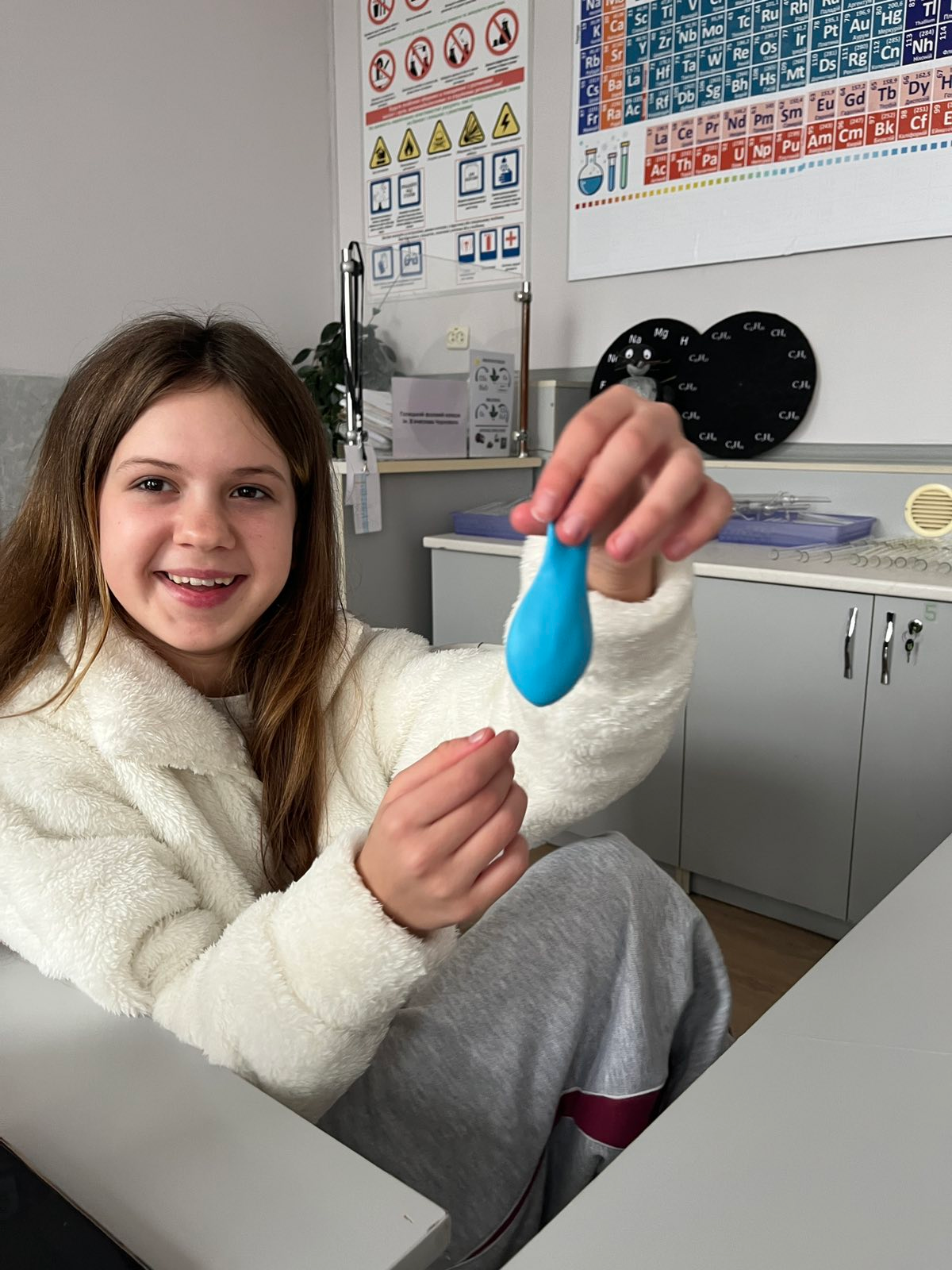
STEM-Intellect: Young Inventors Club
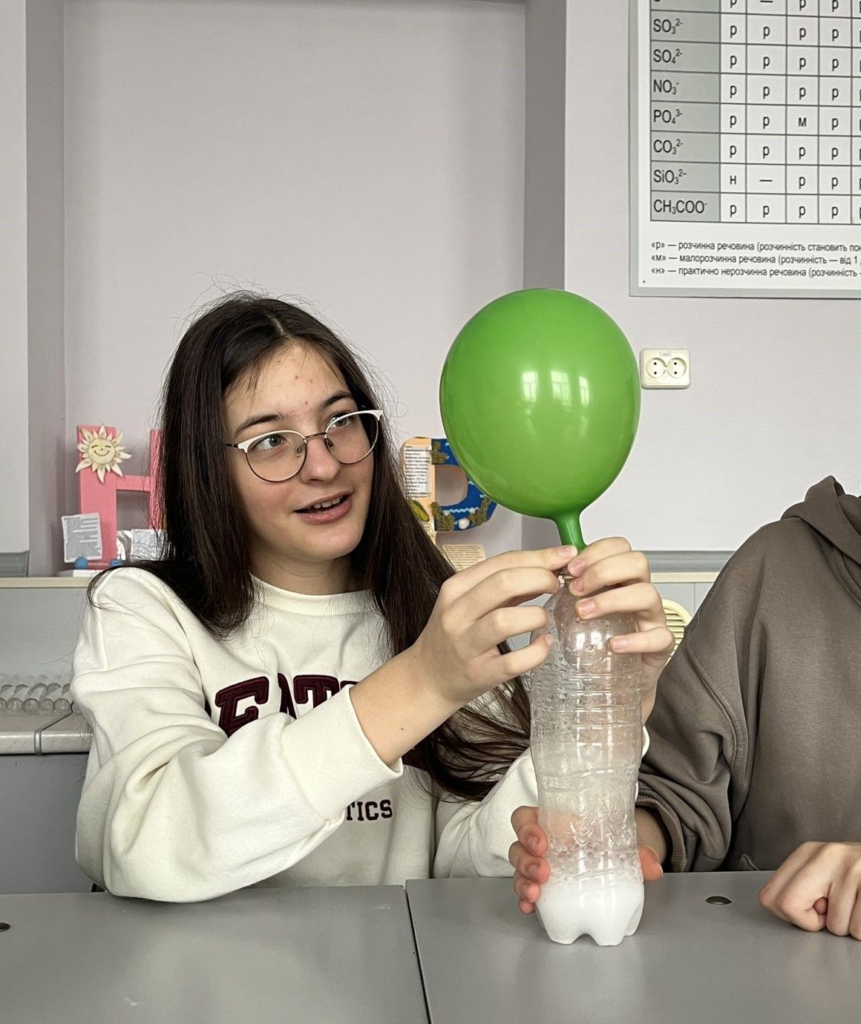
Olha Spilnichenko, a natural sciences teacher, and Nataliia Moskaliuk, Associate Professor in the Department of Botany and Zoology, launched the project “STEM-Intellect: Young Inventors Club” to create a hands-on learning space where students could connect biology and chemistry theory with practical experimentation and invention.
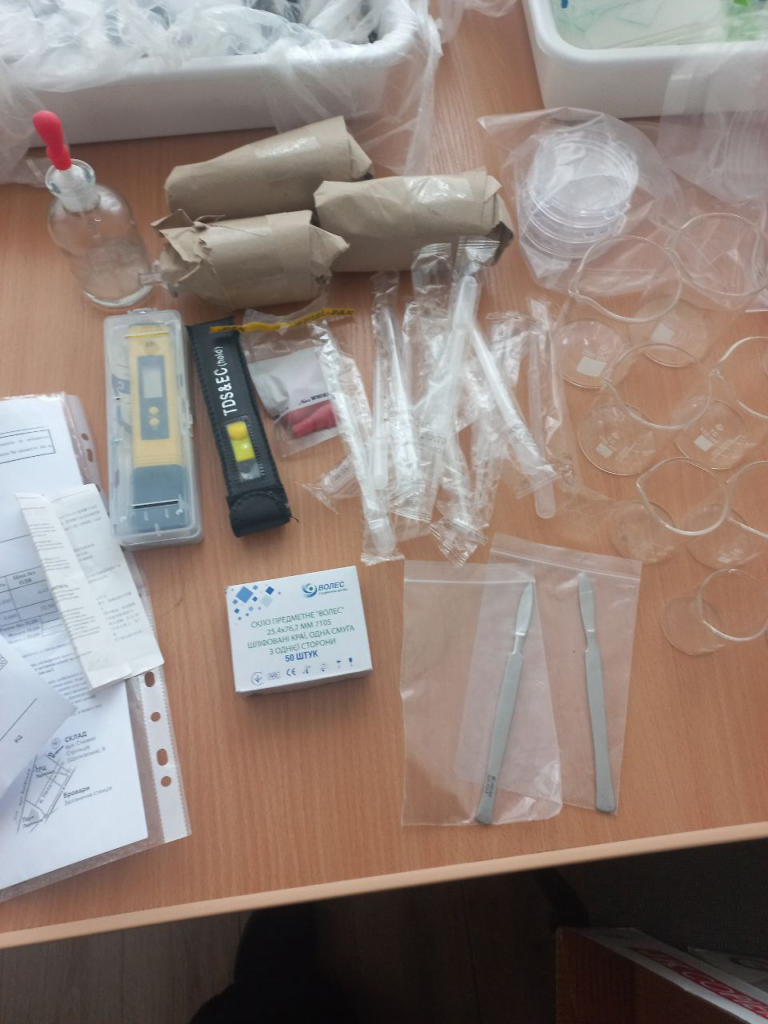
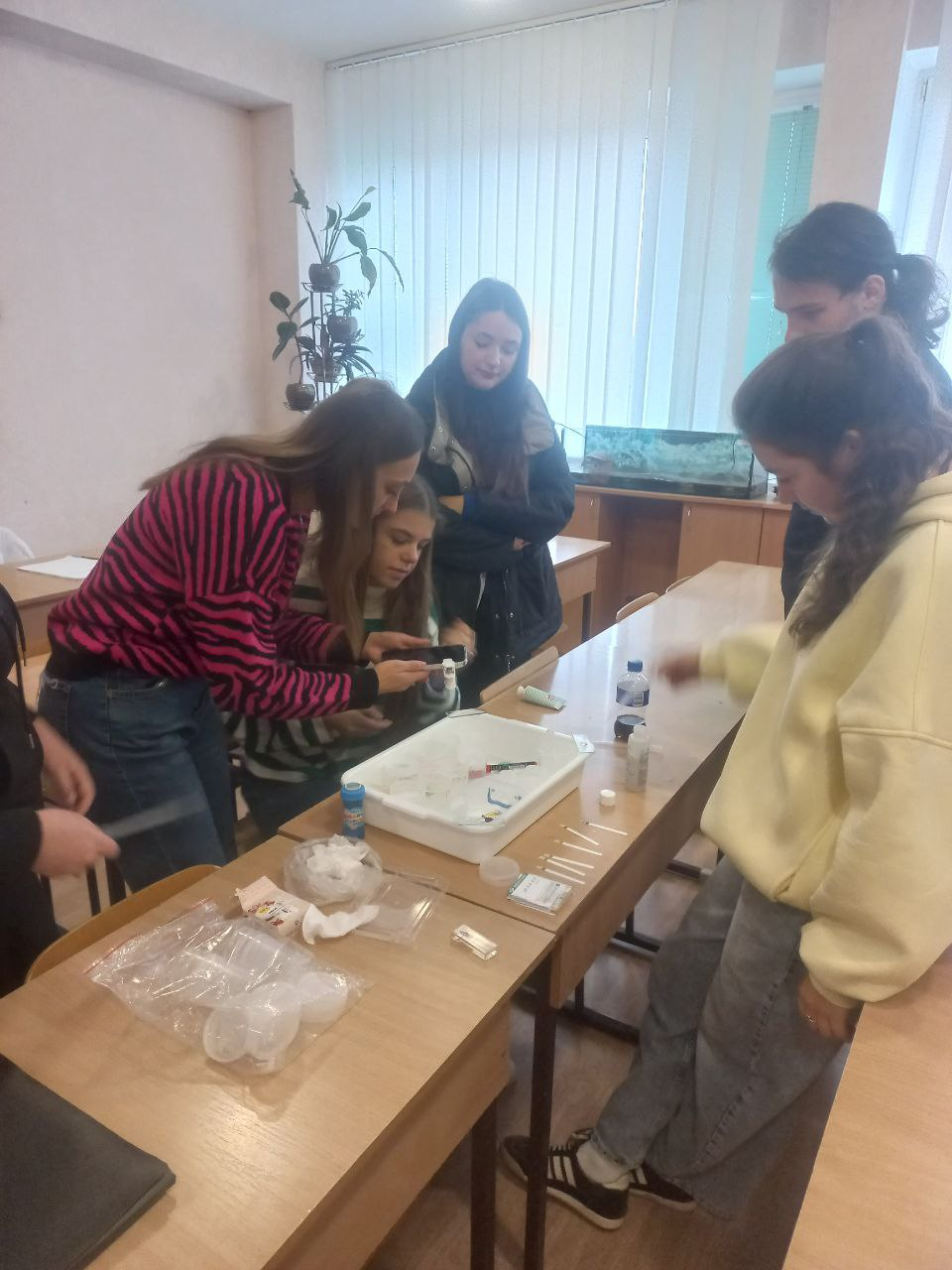
With support from a SEED mini-grant, the project engaged 28 students in extracurricular STEM activities, organized into small teams of three to five learners. Through simple but thoughtfully designed experiments using accessible materials, students explored scientific concepts, tested hypotheses, and learned to apply STEM knowledge to real-world problems.
The project emphasized critical thinking, creativity, teamwork, and confidence-building. Students moved from passive learning to active problem-solving, gaining practical skills while collaborating on team-based projects. Completing ideas from concept to result helped strengthen students’ self-esteem and motivation, while group work fostered communication and cooperation.
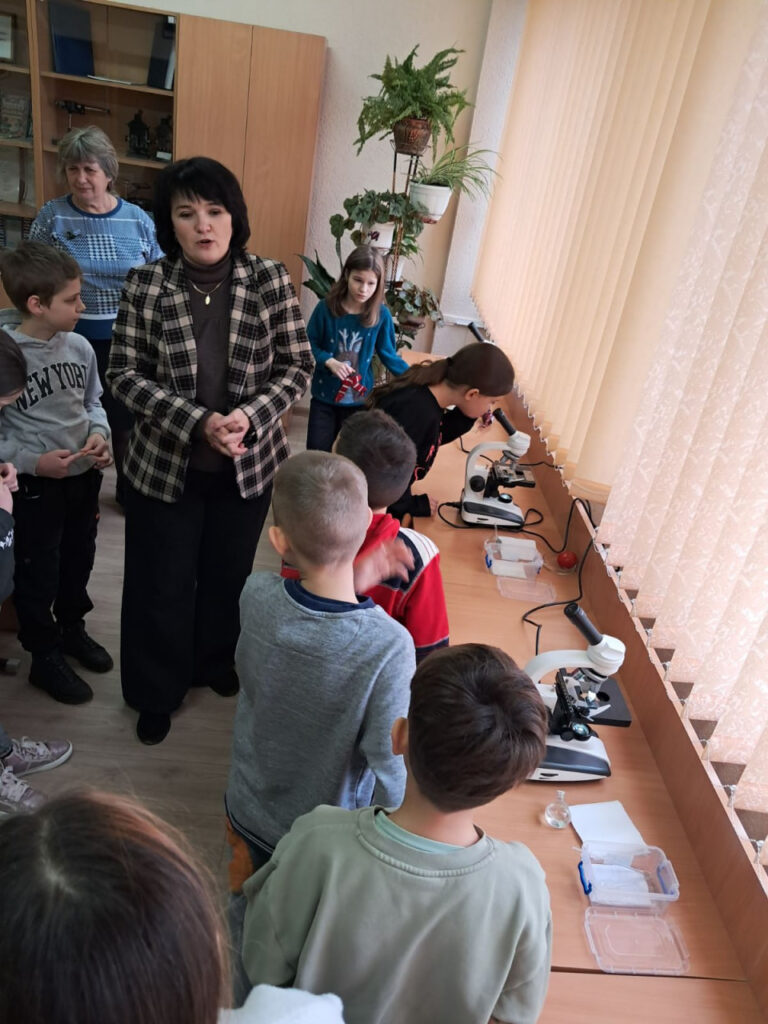
As a result of the project, two Young Inventors Clubs, Impuls and TsVYAKH, were successfully established and continue to operate beyond the grant period. These clubs are now based at the Faculty of Chemistry and Biology of Ternopil Volodymyr Hnatiuk National Pedagogical University and at the Halytskyi Professional College named after Viacheslav Chornovil, expanding participation and engaging new students in STEM learning.
Implemented between September and December 2025, the project demonstrates how focused teacher leadership, modest resources, and practical learning approaches can produce sustainable educational impact and inspire long-term interest in science among students.man Hrytsai is a physical education teacher at Pidvolochysk Lyceum in the Ternopil region of Ukraine. Alongside his primary subject, he initiated the creation of a school chess program to support students’ intellectual development and emotional resilience.
Through a SEED mini-grant, the lyceum received chess sets and an electronic chess clocks for training sessions and tournaments that made it possible to organize regular training sessions, internal school tournaments, and structured preparation for competitions. This provided students with consistent access to chess practice and the opportunity to develop strategic thinking, concentration, and decision-making skills.
As a result, students from the lyceum successfully participated in the national school leagues “Plich-o-Plich”, earning prize placements and demonstrating strong performance. The project supported 20–30 students and showed how access to appropriate learning tools, combined with teacher initiative, can translate into measurable educational outcomes.
Спільніченко Ольга Іванівна
Москалюк Наталія Володимирівна
Галицький фаховий коледж імені В’ячеслава Чорновола
Тернопільський національний педагогічний університет ім. В. Гнатюка